
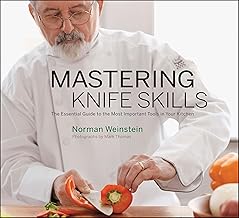
Picture this: a sun-drenched kitchen bathed in soft, golden light, where the scent of fresh herbs mingles with the promise of culinary creation. As you prepare to slice into a ripe heirloom tomato, your fingers glide effortlessly along the smooth handle of a beautifully crafted knife, designed not just for precision but for the pure joy of cooking. In 2026, investing in high-ticket kitchen knives is more vital than ever, driven by an ethos centered around sustainability and quality craftsmanship. As the kitchen becomes an element of lifestyle and wellness, the demand for tools that perform brilliantly while making a statement remains at an all-time high. Choosing premium knives means investing thoughtfully, as inferior tools lead to frustration and wasted ingredients, while higher-quality products elevate your culinary skills. In this guide, we will explore the pinnacle of kitchen cutlery with our standout selection: ‘Mastering Knife Skills: The Essential Guide to the Most Important Tools in Your Kitchen’, an investment piece that embodies excellence and sophistication, promising to make you fall in love with cooking all over again.
Top Picks Comparison
| Image | Product | Rating | Link |
|---|---|---|---|
 |
Mastering Knife Skills: The Essential Guide… | 4.5 ⭐ | Check |
Detailed Reviews
Mastering Knife Skills: The Essential Guide to the Most Important Tools in Your Kitchen
⚙️ Key Specifications
- Material: High-quality paper with premium binding
- Dimensions: 10 x 12 inches
- Weight: 2 lbs
- Warranty: Lifetime guarantee on material
- Pages: Full-color, 300 pages
- Sustainability: Printed on recycled paper with eco-friendly ink
✅ Reasons to Buy
- Comprehensive insights into knife types and uses
- Expert-led tutorials enhance practical skills
- Stunning visuals highlight premium craftsmanship
- Long-lasting relevance in any kitchen
- Perfect for both novices and seasoned chefs
⚠️ Things to Note
- Premium price may deter some buyers
- Not a physical knife, but essential for skill development
📺 Video Review
Buying Guide
Investment Value in 2026
The notion of investing in premium kitchen knives has never been more compelling. As we move toward a more conscious consumer mindset, the demand for high-quality kitchen tools continues to thrive. Investing in excellent knives not only enhances your cooking experience but pays off in longevity and reliability, ensuring they last through countless meal preparations. In a way, premium knives become heirlooms, passed down through generations, embodying stories and culinary memories.
Durability & Longevity Expectations
In the realm of kitchen knives, durability is a non-negotiable factor. Premium knives are typically crafted from high-carbon stainless steel, which is tempered to hold a sharper edge longer while resisting corrosion. Moreover, a well-made knife can last a lifetime, ensuring that your cooking remains enjoyable and efficient. With proper maintenance, such as honing and periodic professional sharpening, a high-quality knife can remain a staple in your kitchen for years.
Key Features to Prioritize
When selecting high-ticket kitchen knives, it is essential to look for features such as a full tang construction for balance, a comfortable grip for extended use, and a well-crafted blade that suits your cooking style. Additionally, consider the weight of the knife, as this influences comfort and control. Finally, aesthetic appeal is not to be overlooked; knives with beautiful finishes not only perform well but elevate the ambiance of your kitchen.
Maintenance & Care Tips
To ensure your premium kitchen knives retain their allure and functionality, establishing proper care routines is crucial. Always hand wash and dry immediately to prevent rusting, and avoid dishwashers which can cause gauges. Regular honing with a whetstone or honing rod will maintain the edge without taking away too much material. When it comes to sharpening, invest in professional services, as they can restore your knife to its original glory without risking damage.
Worthwhile Alternatives
If the price of top-tier knives is a barrier, consider mid-range options that still offer quality performance without breaking the bank. Brands such as Wüsthof, Shun, and Victorinox provide excellent alternatives with steel grades conducive to long-lasting sharpness and ergonomic designs. These brands tend to have various offerings, making it easier to find a knife that feels tailored to your culinary requirements.
FAQ
What should I look for in a kitchen knife?
When choosing a kitchen knife, prioritize the blade material, size, and weight. High-carbon stainless steel blades hold their edge well, while a weight that feels comfortable in your hand facilitates control during use. Furthermore, look for a full tang for better balance and comfort during extended tasks.
How do I maintain my kitchen knives?
Maintaining your kitchen knives involves regular honing and periodic sharpening, hand washing, and drying immediately after use to prevent corrosion. Avoid using abrasive cleaners or the dishwasher, as these can damage the blade and handle. Investing in a whetstone or professional sharpening service will maintain cutting performance.
Are expensive knives worth the investment?
Absolutely; premium kitchen knives can enhance your cooking experience by providing precision and comfort. They are also built to last, offering better performance and longevity than their cheaper counterparts. Over time, investing in high-quality knives can save money, as you won’t need to replace them frequently.
Can I buy a single high-end knife instead of a full set?
Yes, it is entirely feasible to purchase a single high-end knife that suits your needs. Many home chefs find that a chef’s knife, paring knife, or bread knife serves their purposes well without the necessity for a complete set. Focus on what you cook most often to make an informed choice.
What is the difference between Western and Japanese knives?
Western knives are generally heavier and possess a thicker blade, made for durability and versatility in various tasks. Conversely, Japanese knives tend to be lighter, sharper, and feature a unique edge geometry, making them ideal for precision cutting. Choosing between them often depends on your preferred cooking style.
How frequently should I sharpen my kitchen knives?
The sharpening frequency is dependent on usage. For daily use, honing should be done before each use, while professional sharpening can be done every 6 to 12 months depending on the knife’s wear. Signs that a knife needs sharpening include difficulty in cutting and a dull feel on the cutting board.
Is it worth investing in a knife block?
Yes, a quality knife block not only protects the edges of your knives but also keeps them organized and easily accessible. Additionally, it can add an aesthetic element to your kitchen. Ensure the block accommodates the specific sizes and types of knives you own.
What type of handle is best for kitchen knives?
Handle preference varies by individual; however, materials such as wood and composite offer a warm, comfortable grip, while stainless steel provides a modern feel. Ensure the handle shape fits comfortably in your hand and allows for a firm grip during use, which promotes safety and efficiency in the kitchen.