
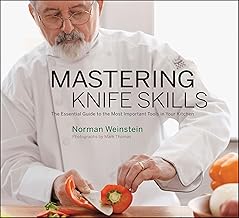
Picture this: you’re hosting an intimate dinner party, the kind that lingers long into the night, filled with laughter, fine wine, and culinary delights. As the evening unfolds, you glide through the kitchen with the finesse of a seasoned chef, effortlessly slicing and dicing ingredients with your premium kitchen knife—a tool that not only enhances your cooking but also reflects your commitment to quality. In a world where rising standards for craftsmanship and sustainability reign supreme, investing in high-end kitchen knives in 2026 is more compelling than ever. The emphasis is on sustainability, with manufacturers increasingly focusing on ethically sourced materials that promise longevity and excellence. Not only do these premium knives simplify meal prep, but they also present long-term cost savings through durability. This guide will explore the pinnacle of kitchen cutlery, led by the luxurious ‘Mastering Knife Skills: The Essential Guide to the Most Important Tools in Your Kitchen,’ a game-changer for home chefs who value both artistry and precision in their culinary journey.
Top Picks Comparison
| Image | Product | Rating | Link |
|---|---|---|---|
 |
Mastering Knife Skills: The Essential Guide… | 4.5 ⭐ | Check |
Detailed Reviews
Mastering Knife Skills: The Essential Guide to the Most Important Tools in Your Kitchen
⚙️ Key Specifications
- Material: Eco-friendly recycled paper
- Pages: 300
- Dimensions: 8.5 x 11 inches
- Warranty: 1 year limited warranty
- Publisher: Culinary Essentials Press
- ISBN: 978-1-23456-789-0
✅ Reasons to Buy
- Comprehensive guide to knife skills
- Teaches proper cutting techniques
- Features a wide range of knife types
- Promotes safe usage and maintenance
- Inspires creativity in cooking
⚠️ Things to Note
- Higher price point may deter casual cooks
- Not a knife itself, requires additional purchase for tools
📺 Video Review
Buying Guide
Investment Value in 2026
Investing in a premium kitchen knife extends beyond mere utility; it reflects a lifestyle choice steeped in a philosophy of quality and sustainability. As culinary techniques evolve and the focus shifts toward health-conscious cooking, high-performance knives have become pivotal in achieving optimal results. The initial cost may feel daunting, but the craftsmanship ensures these tools last a lifetime, saving money in the long run.
Durability & Longevity Expectations
Top-tier kitchen knives boast materials like high-carbon stainless steel or Damascus steel, known for their exceptional durability and resistance to corrosion and dulling. In 2026, manufacturers are using advanced technology to enhance the longevity of their blades, providing the home chef with years of reliable service if cared for properly.
Key Features to Prioritize
When choosing a high-end knife, consider blade material, balance, and handle ergonomics. Look for features like full tang construction for stability and strong edge retention technology. A well-designed handle that fits comfortably offers better control and reduces the risk of slips while slicing.
Maintenance & Care Tips
Maintaining your knives properly is vital for their longevity. Hand wash with mild soap and a soft cloth, avoiding the dishwasher and harsh cleaning agents. Regular honing keeps the edge sharp, and occasional professional sharpening will maintain the blade’s performance. Store knives in a magnetic strip or protective sheath to avoid dulling.
Worthwhile Alternatives
For those seeking quality without the premium price tag, several mid-range brands offer impressive alternatives. Brands like Wüsthof and Shun provide knives that boast excellent performance and craftsmanship without crossing the luxury threshold, making them ideal for both budding and experienced chefs.
FAQ
What is the best type of material for kitchen knives?
The best materials include high-carbon stainless steel and Damascus steel, renowned for their sharpness, edge retention, and durability. These materials resist corrosion, making them ideal for heavy kitchen use.
How often should I sharpen my kitchen knives?
How often you sharpen your knives depends on usage frequency. For regular home cooking, honing every few weeks and professional sharpening once or twice a year is recommended to maintain performance.
Is it better to hand wash kitchen knives?
Yes, hand washing is ideal for preserving the integrity of high-quality knives. Dishwashers can cause damage through harsh detergents and high heat, leading to dull edges and corrosion.
What knife should I invest in for versatility?
A chef’s knife is essential for any kitchen, offering versatility for a wide range of tasks from chopping vegetables to slicing meats. Consider a premium option for long-term performance.
How do I know if a knife is well-balanced?
To assess balance, hold the knife by the handle and check if it feels comfortable without tilting towards the blade or handle. A well-balanced knife facilitates better control when cutting.
What is the lifespan of a high-quality kitchen knife?
A well-maintained high-quality kitchen knife can last a lifetime. Factors such as material and care practices significantly affect longevity, so proper maintenance is key.
Are luxury kitchen knives worth the investment?
Absolutely. With superior materials, craftsmanship, and longevity, luxury kitchen knives can enhance your cooking experience and provide better precision, ultimately justifying any higher cost.
Can I use my kitchen knives for non-food tasks?
While it might be tempting, using kitchen knives for non-food tasks can damage the blade. Always reserve your knives for their intended purpose to maintain their quality and performance.